




Most American women of faith notice that fashion choices hold deeper meaning than fleeting trends. For millennials and Generation Z Christians, aligning your wardrobe with spiritual values feels like a bold act of worship. More than 60 percent of consumers now seek ethical and sustainable clothing, proving this movement is growing fast. Discover how ethical Christian fashion can help you honor God, reflect your values, and express your story through every piece you wear.
Table of Contents
- Defining Ethical Christian Fashion Today
- Core Values: Modesty, Stewardship, and Integrity
- Types of Ethical Christian Fashion Expression
- Sustainable Practices and Materials in Christian Apparel
- Risks of Greenwashing and Common Misconceptions
Key Takeaways
| Point | Details |
|---|---|
| Ethical Approach to Fashion | Ethical Christian fashion focuses on modesty, stewardship, and integrity in clothing choices that reflect faith. |
| Sustainable Practices | The movement emphasizes sustainable materials and fair labor practices, prioritizing environmental care and social responsibility. |
| Diverse Expressions | Fashion expressions vary widely, from traditional modest wear to modern styles, allowing individuals to showcase their faith creatively. |
| Beware of Greenwashing | Consumers should be vigilant against misleading sustainability claims, seeking transparency and verified certifications for ethical purchases. |
Defining Ethical Christian Fashion Today
Ethical Christian fashion represents more than just clothing style - it’s a holistic approach to apparel that honors God through intentional, values-driven wardrobe choices. Christian clothing historically embodies spiritual principles of modesty, respect, and righteousness, reflecting an individual’s commitment to living out their faith through every aspect of daily life.
Today’s ethical Christian fashion movement goes beyond traditional dress codes, challenging fast fashion’s exploitative practices and embracing sustainable production methods that align with biblical stewardship. This means prioritizing clothing manufactured with fair labor practices, environmentally responsible materials, and transparent supply chains that respect human dignity. Designers and consumers alike are recognizing that what we wear can be a powerful form of worship and social witness, demonstrating Christian values through mindful consumption.
The intersection of faith and fashion creates unique opportunities for self-expression and spiritual testimony. Christian fashion trends now actively blend cultural identity with religious symbolism, allowing believers to communicate their spiritual commitments through thoughtfully curated wardrobes. This approach transforms clothing from mere functional necessity into a meaningful platform for sharing personal beliefs and connecting with community.
Pro tip: Start building your ethical Christian wardrobe by researching brands that demonstrate transparency in their manufacturing processes and demonstrate commitment to fair labor practices.
Core Values: Modesty, Stewardship, and Integrity
In the realm of ethical Christian fashion, three fundamental principles serve as the cornerstone of intentional clothing choices: modesty, stewardship, and integrity. Core Christian values shape ethical living by reflecting spiritual commitments through every aspect of personal presentation and consumption.
Modesty transcends simple clothing coverage, representing a heart posture of humility and respect. It means selecting attire that honors personal dignity and redirects attention from external appearance to inner character. Stewardship, meanwhile, extends far beyond personal wardrobe management. Christian stewardship involves responsible resource management that considers the broader economic and environmental implications of fashion choices, challenging consumers to view clothing purchases as acts of spiritual accountability.
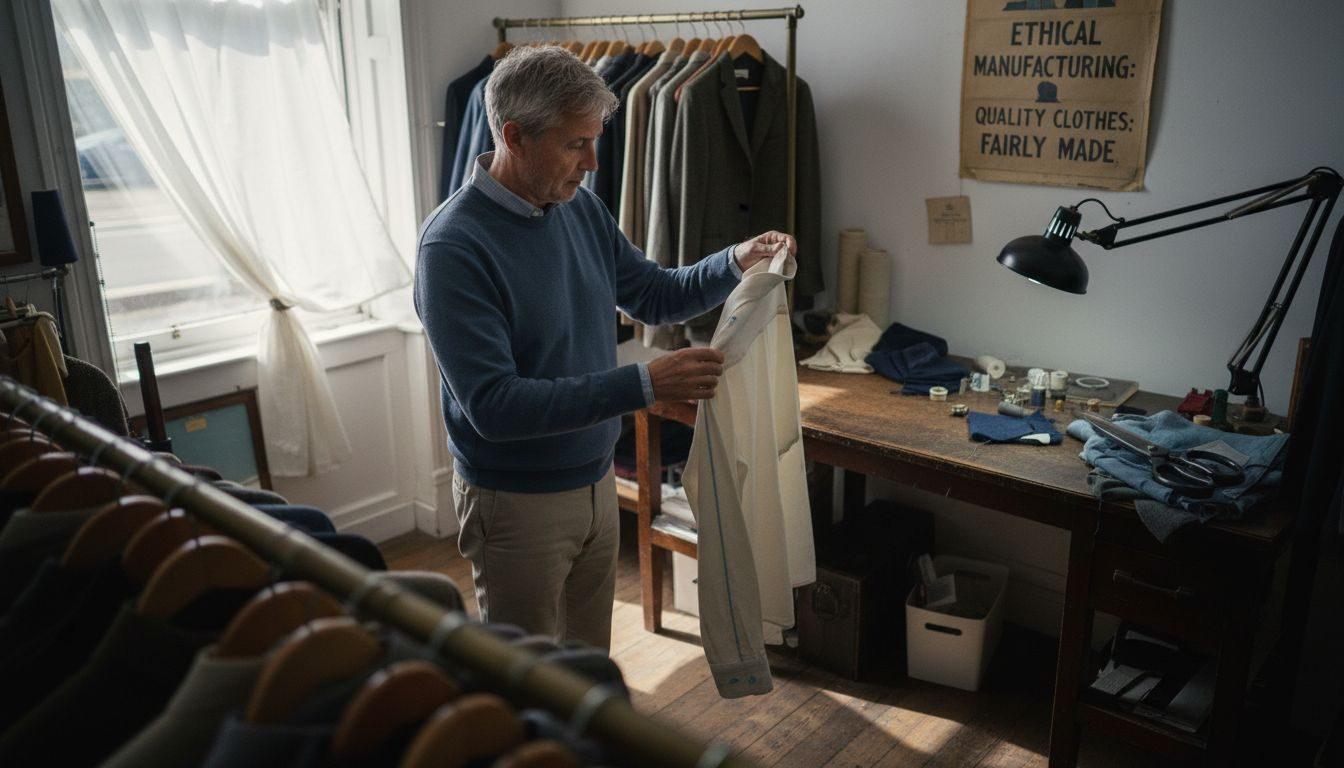
Integrity in Christian fashion means maintaining transparent, ethical standards throughout the entire production process. This requires a holistic approach that considers labor practices, environmental impact, and the human stories behind each garment. By prioritizing clothing created with fairness, compassion, and respect, Christian consumers transform fashion from a mere consumer activity into a meaningful expression of faith-driven values.
Here’s a breakdown of the core values guiding ethical Christian fashion:
| Core Value | Practical Implementation | Impact on Fashion Choices |
|---|---|---|
| Modesty | Humble, respectful attire | Prioritizes dignity over trends |
| Stewardship | Sustainable materials, fair labor | Encourages mindful consumption |
| Integrity | Transparent supply chains | Builds trust in brands |
Pro tip: Develop a personal clothing inventory that reflects your spiritual values by researching brands committed to ethical manufacturing and sustainable production practices.
Types of Ethical Christian Fashion Expression
Christian clothing expressions range widely across diverse traditions, reflecting a rich tapestry of faith-based style interpretations. From conservative plain dress emphasizing simplicity to contemporary designs incorporating subtle spiritual symbolism, ethical Christian fashion offers multiple avenues for personal spiritual expression through clothing choices.
Modern Christian fashion brands have evolved to create diverse styles that cater to different preferences and contexts. Streetwear with discreet scripture references, professional attire with understated cross motifs, and modest clothing lines that prioritize dignity and respect represent the breadth of contemporary Christian fashion. Christian clothing brands now blend spirituality with modern styles, providing believers innovative ways to communicate their faith through carefully curated wardrobes.
These fashion expressions can be broadly categorized into several meaningful approaches: traditional modest wear emphasizing conservative coverage, contemporary faith-inspired designs featuring symbolic elements, socially conscious brands supporting charitable initiatives, and minimalist styles that communicate spiritual values through simplicity and intentionality. Each approach offers unique opportunities for believers to integrate their faith into personal style, transforming clothing from mere fabric into a powerful form of spiritual communication.
Compare the main types of ethical Christian fashion expressions and their distinct features:
| Expression Style | Key Characteristics | Ideal Contexts |
|---|---|---|
| Traditional Modest Wear | Full coverage, simple | Churches, formal events |
| Faith-Inspired Designs | Subtle symbols, modern | Daily life, workplaces |
| Socially Conscious Brands | Charitable support | Community outreach |
| Minimalist Spirituality | Neutral tones, clean lines | Everyday wear |
Pro tip: Explore different ethical Christian fashion styles by mixing modest pieces that reflect your personal spiritual journey with contemporary designs that authentically express your faith.
Sustainable Practices and Materials in Christian Apparel
Sustainable fabric choices represent a critical evolution in ethical Christian fashion, transforming how believers approach clothing consumption. Organic cotton, hemp, linen, and recycled fibers emerge as responsible alternatives that honor biblical principles of stewardship by minimizing environmental impact and supporting responsible resource management.
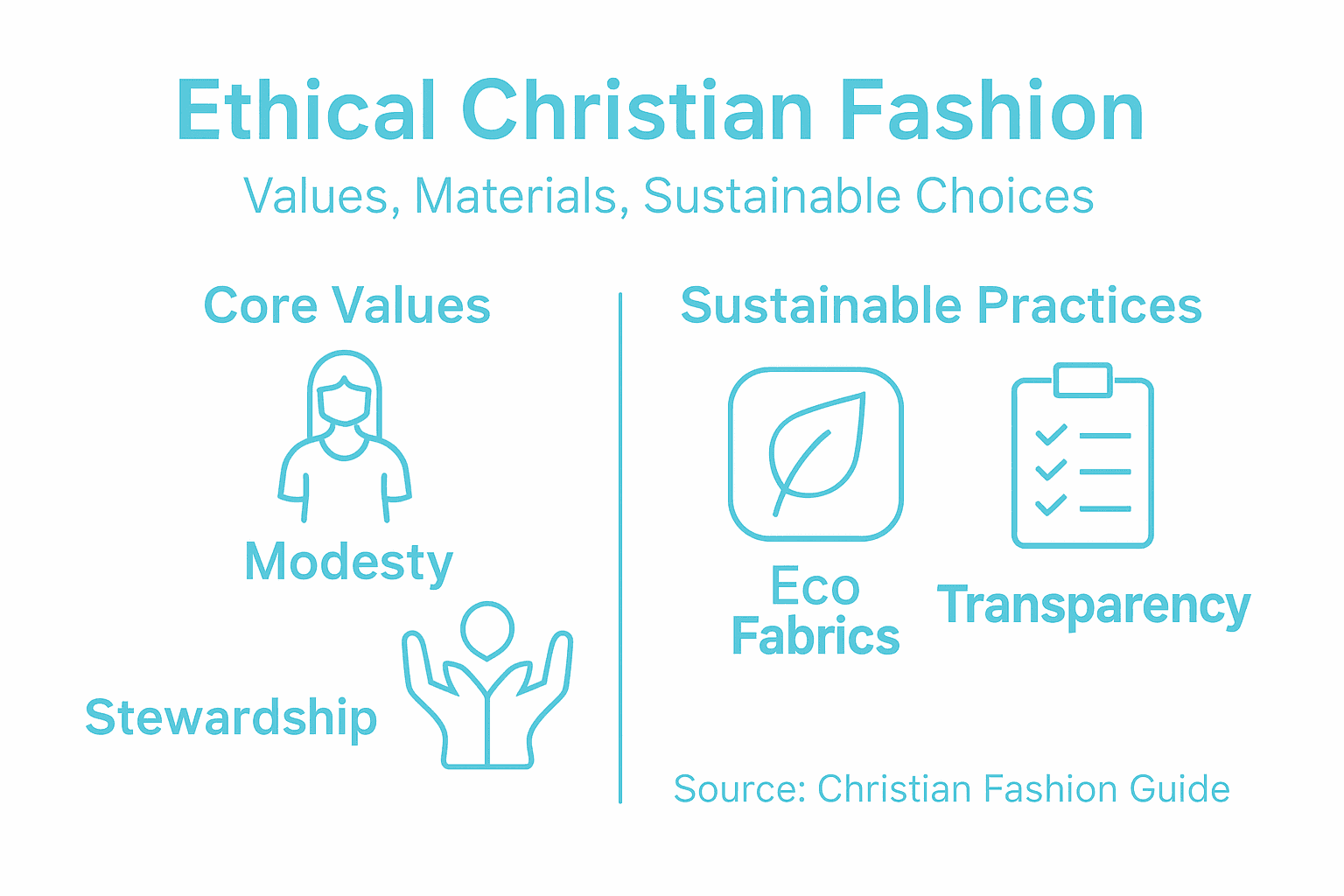
The apparel industry is increasingly adopting sustainable manufacturing practices that align with Christian values of environmental care. These innovations include maximizing material efficiency, investing in renewable energy sources, and developing bio-based textiles that reduce carbon footprints. By prioritizing sustainable production, Christian fashion brands demonstrate a commitment to ecological responsibility and global community well-being.
Certification systems like GOTS and OEKO-TEX provide additional transparency, allowing conscientious consumers to verify the ethical origins of their clothing. These standards ensure that materials are produced without harmful chemicals, with fair labor practices, and minimal environmental disruption. Such certifications transform clothing purchasing from a simple transaction into an act of faithful stewardship, enabling believers to make purchases that reflect their spiritual commitment to care for creation.
Pro tip: Research clothing brands that provide detailed sustainability reports and third-party certifications to ensure your fashion choices truly reflect ethical Christian values.
Risks of Greenwashing and Common Misconceptions
Greenwashing in fashion remains a pervasive challenge that undermines genuine sustainability efforts. This deceptive practice occurs when companies create misleading marketing narratives that exaggerate their environmental commitments, often using vague language and highlighting minimal positive actions while obscuring broader negative impacts.
Misleading environmental claims pose significant barriers to meaningful climate action. Companies frequently employ tactics that create false impressions of sustainability, such as using earth-toned packaging, nature-inspired imagery, and ambiguous terms like ‘eco-friendly’ without substantive evidence. These strategies exploit consumers’ genuine desire to make responsible choices, creating an illusion of environmental progress while avoiding substantive systemic changes.
For Christian consumers committed to ethical fashion, discerning authentic sustainability requires careful investigation beyond surface-level marketing claims. This means demanding transparency, seeking third-party certifications, researching a brand’s complete environmental impact, and understanding the nuanced difference between genuine sustainable practices and strategic corporate messaging designed to appear environmentally responsible.
Pro tip: Always request detailed sustainability documentation and look for specific, measurable environmental commitments rather than accepting broad, unsubstantiated marketing claims about a brand’s ecological responsibility.
Embrace Ethical Christian Fashion with Purpose and Style
The challenge of finding authentic Christian clothing that reflects your values of modesty, stewardship, and integrity can feel overwhelming in today’s fast fashion world. The article highlights the importance of transparency and sustainable choices in your wardrobe. At Walk In His Footsteps, we understand your desire to wear faith-inspired apparel that honors God and supports ethical craftsmanship. Our patented cross bottom and Jesus fish bottom slip-on footwear embody these principles by combining spiritual symbolism with responsible manufacturing.
Step into footwear that speaks to your faith and commitment today. Discover how each pair from Walk In His Footsteps reflects biblical stewardship through quality materials and fair labor practices. Experience the confidence that comes from wearing Christian shoes designed with integrity. Don’t wait—explore our unique collection now and make your wardrobe a true expression of ethical Christian fashion.
Frequently Asked Questions
What is ethical Christian fashion?
Ethical Christian fashion is a holistic approach to clothing that prioritizes values such as modesty, stewardship, and integrity, while promoting sustainable production methods that align with biblical principles.
Why is sustainability important in Christian fashion?
Sustainability matters in Christian fashion because it embodies the biblical principle of stewardship, encouraging responsible resource management and minimizing environmental impact through ethical manufacturing practices.
How can I ensure my clothing choices reflect ethical Christian values?
To ensure your clothing choices reflect ethical Christian values, look for brands that demonstrate transparency in their production processes, use sustainable materials, and adhere to fair labor practices.
What are the core values guiding ethical Christian fashion?
The core values guiding ethical Christian fashion include modesty, which emphasizes humility and respect; stewardship, which focuses on responsible consumption; and integrity, ensuring ethical standards throughout production.
Recommended
- Why Christian Fashion Matters: Complete Guide – Walk In His Footsteps
- Christian Clothing Basics: Everything You Need to Know – Walk In His Footsteps
- Blending Fashion and Faith: Wear Belief with Purpose – Walk In His Footsteps
- Understanding Why Christian Clothing Matters for Believers – Walk In His Footsteps
- Lab Grown Diamond Jewelry & Custom Engagement Rings – Eternal Carat