




Nearly one in three American shoppers say their clothing choices reflect their core beliefs. Faith-driven fashion has captured attention across the United States as people look for ways to express spiritual values through everyday style. Blending religious conviction with personal taste, this movement transforms the meaning of what we wear. Discover how intentional choices in American wardrobes turn simple garments into bold statements of faith and identity.
Table of Contents
- What Is Faith‑Driven Fashion
- Styles and Visual Symbolism Used
- Ethical Practices and Brand Values
- Modern Streetwear and Youth Trends
- Modesty, Culture, and Community
Key Takeaways
| Point | Details |
|---|---|
| Faith-Driven Fashion | Merges personal style with spiritual beliefs, allowing clothing to serve as a testament to one’s faith. |
| Symbolism in Fashion | Utilizes religious symbols to express spiritual identity and personal testimony through visual means. |
| Ethical Practices | Encourages brands to commit to fair labor and sustainable practices, reflecting Christian values in their business models. |
| Modesty and Community | Reflects spiritual values and fosters community dialogue about faith-based dress standards, highlighting individual expression. |
What Is Faith‑Driven Fashion
Faith‑driven fashion represents a powerful intersection between personal spiritual beliefs and personal style, where clothing becomes more than just fabric and design. It transforms fashion into a meaningful expression of one’s religious identity and core values. Faith as a Fashion Statement reveals how what we wear can communicate deeper spiritual convictions beyond aesthetic preferences.
At its core, faith‑driven fashion is about intentionality. Unlike traditional fashion that might prioritize trends or external validation, this approach centers on clothing that reflects internal spiritual commitments. Christian individuals choose apparel that not only looks good but also serves as a quiet testament to their beliefs. Whether through subtle cross symbols, scripture‑inspired designs, or modest cuts that honor personal convictions, each clothing choice becomes a form of silent witness.
The philosophy behind faith‑driven fashion extends beyond mere appearance. It represents a holistic approach to personal presentation that integrates spiritual principles into everyday style choices. Why Faith and Fashion Matters for Believers highlights that these fashion choices are about expressing inner transformation through external representation. For many Christians, this means selecting clothing that demonstrates respect, humility, and a commitment to reflecting divine principles.
Pro Tip for Faith Fashion: Select clothing pieces that make you feel confident while remaining true to your spiritual values. Prioritize garments that allow you to express your faith subtly and authentically, without feeling restricted or uncomfortable.
Styles and Visual Symbolism Used
Religious symbols in fashion represent a profound method of communicating spiritual identity through visual language. Religious symbolism in fashion involves intricate ways of conveying cultural and spiritual values, transforming clothing into a powerful medium of expression beyond aesthetic design. Christian fashion enthusiasts often incorporate symbols that carry deep theological significance, such as crosses, fish emblems, scripture references, and biblical imagery.
These visual representations serve multiple purposes within faith‑driven fashion. The cross, perhaps the most recognizable Christian symbol, can appear in subtle variations ranging from delicate pendant designs to bold graphic prints. Ichthys (fish) symbols, referencing early Christian underground communication, provide another meaningful motif. Some believers choose designs featuring scripture verses or inspirational messages that reflect their spiritual journey, turning clothing into a form of personal testimony.

Symbolism in liturgical traditions plays a crucial role in bridging sacred experiences, and this principle translates directly into contemporary faith‑based fashion. Different symbols carry nuanced meanings: a crown of thorns might represent Christ’s sacrifice, dove imagery symbolizes peace and the Holy Spirit, while olive branch designs can signify reconciliation and divine hope. These visual elements transform clothing from mere fabric into a narrative of spiritual commitment.
The aesthetic approach in faith‑driven fashion emphasizes reverence and authenticity. Designers and wearers alike focus on creating styles that honor spiritual principles while remaining stylish and contemporary. Color choices, modest cuts, and meaningful graphic elements work together to create garments that speak to both personal style and religious conviction.
Here is a comparison of key visual symbols used in faith-driven fashion:
| Symbol | Typical Use in Fashion | Spiritual Meaning | Visual Style |
|---|---|---|---|
| Cross | Necklaces, T-shirts, pins | Christ’s sacrifice and faith | Simple or ornate |
| Ichthys (Fish) | Rings, embroidery, badges | Early Christian identity | Minimalist, discreet |
| Scripture Text | Graphic prints, patches | Personal faith statements | Stylized typography |
| Dove | Scarves, earrings, prints | Holy Spirit, peace | Graceful, flowing lines |
| Olive Branch | Sleeve cuffs, emblems | Reconciliation, hope | Natural, organic forms |
Pro Tip for Symbolic Fashion: Choose symbols that genuinely resonate with your personal spiritual journey, ensuring they represent your authentic beliefs rather than simply following trend.
Ethical Practices and Brand Values
Ethical fashion within Christian circles transcends traditional business practices, representing a holistic approach to commerce that integrates spiritual principles with responsible manufacturing. Ethical practices in faith-driven fashion directly influence consumer attitudes and purchasing decisions, creating a marketplace where moral integrity becomes as important as product quality.
These brands typically embrace several key ethical commitments that distinguish them from mainstream fashion industries. This includes ensuring fair wages for workers, utilizing sustainable production methods, maintaining transparent supply chains, and prioritizing human dignity throughout the manufacturing process. Christian fashion brands often view these practices as an extension of their faith, understanding that ethical treatment of workers reflects biblical principles of justice and compassion.
The commitment to ethical practices extends beyond manufacturing into environmental stewardship. Many faith‑driven fashion brands prioritize eco‑friendly materials, reduced carbon footprints, and responsible resource management. This approach demonstrates a deeper understanding that caring for creation is a fundamental Christian responsibility. By selecting sustainable fabrics, implementing recycling programs, and minimizing waste, these brands show that spiritual values can actively contribute to global environmental conservation.
Moreover, ethical brand values in faith‑driven fashion frequently involve community empowerment. Some brands partner directly with artisan communities, providing economic opportunities in regions experiencing poverty. These partnerships go beyond simple transactions, creating meaningful economic pathways that respect local cultures and provide dignified employment opportunities aligned with Christian principles of global brotherhood and mutual support.
Below is a summary of ethical commitments emphasized by Christian fashion brands:
| Ethical Practice | Brand Commitment | Positive Impact |
|---|---|---|
| Fair Wages | Ensuring just worker pay | Improves livelihoods and dignity |
| Sustainable Materials | Using eco-friendly fabrics | Reduces environmental footprint |
| Transparent Supply Chains | Disclosing sourcing and processes | Builds trust with consumers |
| Community Empowerment | Partnering with artisans | Creates economic growth globally |
Pro Tip for Ethical Fashion: Research brands that transparently share their manufacturing processes and community impact, ensuring your fashion choices reflect your spiritual commitment to justice and human dignity.
Modern Streetwear and Youth Trends
Faith-inspired streetwear represents a dynamic intersection between contemporary fashion and spiritual expression, particularly among younger Christian generations. Youth trends increasingly demonstrate how religious symbols intersect with sartorial expression, transforming traditional religious imagery into bold, modern statements of personal belief and cultural identity.
Today’s Christian youth are reimagining religious symbolism through urban fashion aesthetics. Graphic tees featuring scripture verses, minimalist cross designs, and inspirational messaging have become powerful tools for personal testimony. These styles allow young believers to communicate their faith authentically while remaining stylistically relevant. Streetwear brands specializing in faith-driven fashion understand this generational shift, creating designs that speak directly to young people’s desire for meaningful, contemporary clothing that reflects their spiritual journey.
The evolution of faith-based streetwear goes beyond simple graphic designs. Emerging designers are developing sophisticated collections that integrate biblical themes with cutting-edge fashion trends. These collections often feature nuanced color palettes, innovative silhouettes, and subtle symbolic elements that resonate with younger demographics seeking to express their spirituality without appearing overtly traditional. The approach celebrates individual creativity while maintaining core religious principles, bridging generational fashion preferences.

Moreover, this trend reflects a broader cultural movement where young Christians view fashion as a form of ministry and personal evangelism. By wearing thoughtfully designed clothing that sparks conversation and curiosity, they transform everyday fashion into a platform for sharing their faith. The designs challenge stereotypical perceptions of religious attire, presenting Christianity as dynamic, relevant, and personally expressive.
Pro Tip for Youth Fashion: Select faith-inspired streetwear that genuinely reflects your personal spiritual journey, ensuring your style communicates authenticity and personal conviction.
Modesty, Culture, and Community
Modesty in Christian fashion represents far more than a dress code. It is a profound expression of spiritual values, cultural identity, and community connection. Biblical Fashion Guidelines offer comprehensive insights into how clothing choices reflect deeper spiritual commitments beyond surface-level appearances.
Within Christian communities, modest fashion serves as a powerful form of non-verbal communication. It communicates respect, personal dignity, and alignment with spiritual principles. Different denominational and cultural backgrounds interpret modesty uniquely, ranging from conservative interpretations emphasizing full coverage to more contemporary approaches that prioritize intentionality and heart motivation. These variations demonstrate that modesty is not about rigid rules but about expressing inner spiritual convictions through external presentation.
Community plays a crucial role in shaping these fashion perspectives. Churches, youth groups, and faith-based social networks often become platforms where believers discuss and negotiate acceptable fashion standards. These conversations are not about judgment but about mutual understanding, supporting one another’s spiritual journeys, and creating spaces where individuals can express their faith authentically. The collective wisdom of these communities helps Christians navigate complex fashion choices while maintaining their core spiritual identity.
Moreover, modest fashion transcends generational and cultural boundaries. It becomes a unifying language that speaks to shared values of respect, dignity, and spiritual intentionality. Young believers are reinterpreting traditional modesty concepts, creating fashion that is both contemporary and faithful, bridging generational perspectives and demonstrating that spiritual expression can be dynamic and evolving.
Pro Tip for Modest Dressing: Develop a personal modesty philosophy that reflects your spiritual journey, focusing on heart motivation rather than strict external measurements.
Express Your Faith Boldly With Purposeful Fashion
Many believers struggle to integrate spiritual values into everyday style while staying comfortable and authentic. This article highlights the power of faith-driven fashion as a silent witness reflecting your deepest convictions through symbols like the cross and Jesus fish. If you want to overcome the challenge of finding clothing and footwear that truly represent your faith without compromising modern design or comfort you are not alone.
At Walk in His Footsteps we understand the importance of wearing your belief with intention. Our patented cross bottom and Jesus fish bottom slip-on footwear combine style with profound spiritual symbolism. These unique pieces let you quietly share your faith while enjoying ethical craftsmanship rooted in Christian values.
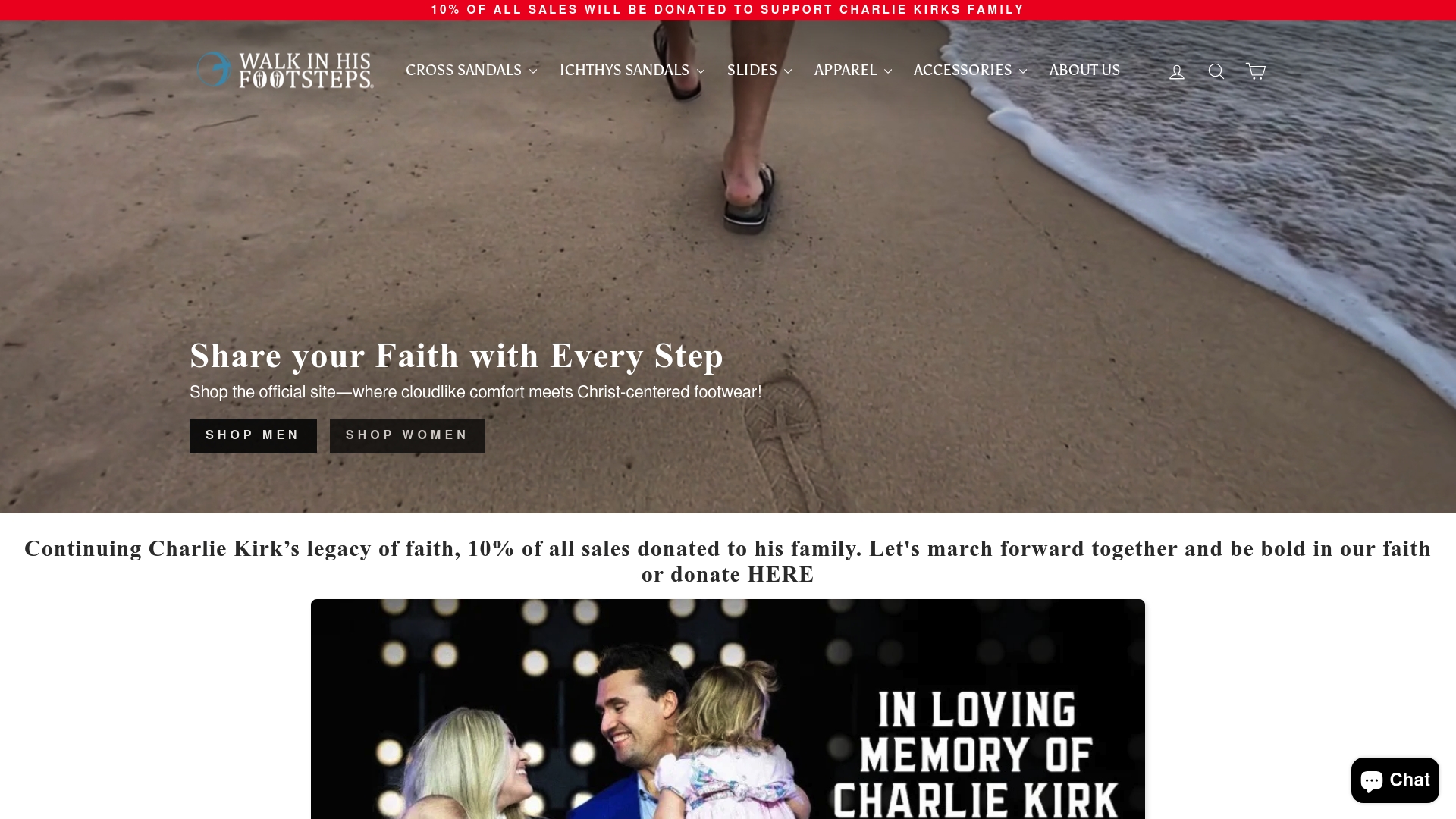
Start your journey today by exploring our faith-inspired collections designed to help you speak volumes without saying a word. Visit Walk in His Footsteps and discover how you can blend fashion and faith effortlessly. Wear belief with purpose and inspire others every step of the way.
Frequently Asked Questions
What is faith-driven fashion?
Faith-driven fashion is a style approach where clothing becomes a reflection of personal spiritual beliefs. It emphasizes intentionality in choices, allowing individuals to communicate their faith through their attire.
How can I incorporate religious symbols into my wardrobe?
You can incorporate religious symbols by choosing clothing items that feature subtle designs like crosses, ichthys (fish), or scripture verses. Look for pieces that resonate with your personal faith without compromising your style.
What principles guide ethical practices in faith-driven fashion?
Ethical practices in faith-driven fashion focus on fair wages for workers, sustainable materials, transparent supply chains, and community empowerment. These principles are rooted in biblical teachings about justice and compassion.
How can modesty influence my fashion choices?
Modesty in fashion is about expressing respect and personal dignity through clothing. It varies culturally and denominationally, focusing on heart motivation and the intention behind clothing choices rather than merely adhering to strict guidelines.
Recommended
- Why Christian Fashion Matters: Complete Guide – Walk In His Footsteps
- Ways to Express Faith in Fashion: Step-by-Step Guide – Walk In His Footsteps
- Biblical Fashion: Complete Guide to Faith-Based Modesty – Walk In His Footsteps
- Faith as a Fashion Statement: How It Shapes Identity – Walk In His Footsteps